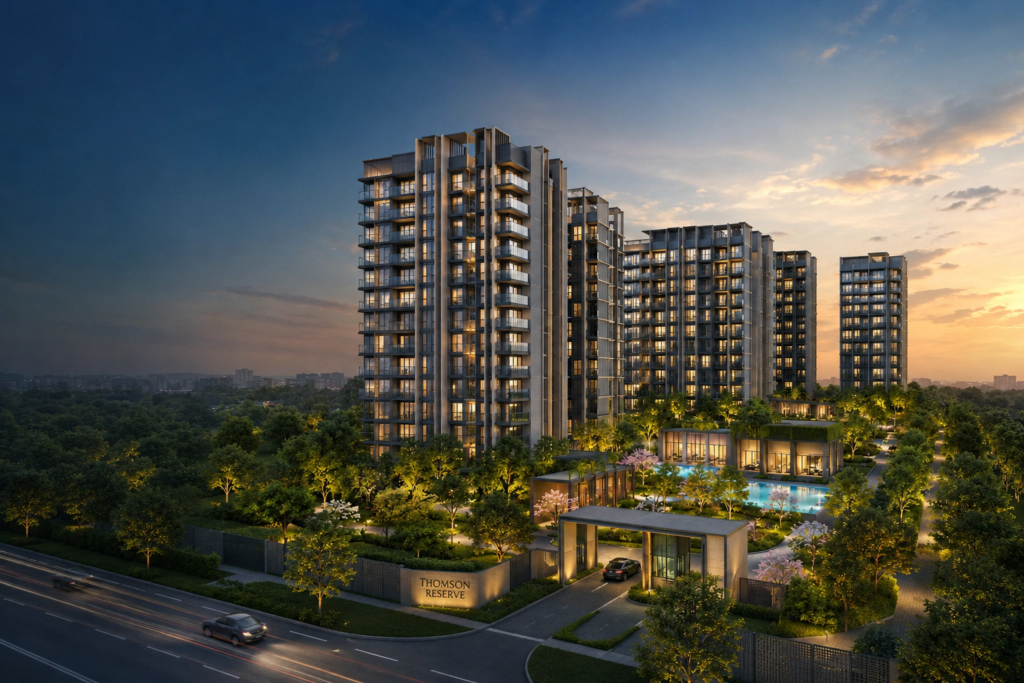
Buying a new home requires analyzing many details, but nothing impacts daily life quite like unit orientation. When looking at premium developments like the Thomson Reserve, understanding your condo facing helps you predict natural light, heat, and wind patterns. Buyers often focus on floor level or square footage while ignoring how the unit positions itself against the sun. This oversight can lead to unexpectedly high energy bills or rooms that feel like saunas in the afternoon. Whether you are browsing floor plans or touring physical showflats, identifying the orientation of your potential home ensures a comfortable living environment for years to come. Let us look at some simple ways to decode your condo’s facing.
How to Determine Your True Facing Direction
Many buyers get confused about what constitutes the actual facing of a condominium unit. Historically, people considered the main entrance door as the primary facing direction. In modern high-rise developments like the Lucerne Grand, architects design units with floor-to-ceiling windows and large balconies to maximize views. Consequently, the primary facing is now defined by the main source of light and ventilation, which is typically the living room balcony or the largest window array.
To find this direction accurately, do not rely on guesswork or the orientation of the street outside. Stand in the center of the living room and point a physical compass or a smartphone compass app directly toward your balcony or main window. Take note of the exact degree reading. If you are looking at floor plans for a new launch, locate the North arrow, which is always printed on the brochure. Align the unit layout with this arrow to see exactly where your living spaces point. Knowing this precise direction helps you evaluate how external elements will interact with your home throughout the day and across different seasons of the year.
Analyzing the Impact of Sunlight and Heat
The movement of the sun dictates the temperature of your home, making sunlight analysis a crucial step in choosing an orientation. In tropical and subtropical climates, a west-facing unit receives intense afternoon sun, which heats concrete walls and radiates warmth long after sunset. If you prefer bright mornings, an east-facing unit will suit your lifestyle, though you must prepare for early morning light streaming into your bedrooms.
For the most balanced conditions, north-south orientations remain highly sought after. Units facing directly north or south avoid the harsh direct rays of both sunrise and sunset. Instead, they receive consistent, indirect light that keeps rooms bright without raising indoor temperatures. When evaluating a unit in Thomson Reserve, look closely at how surrounding blocks might cast shadows. Sometimes, a west-facing unit on a lower floor gets sufficient shade from an adjacent building, mitigating the heat. Conversely, high-floor units have no obstructions, meaning they bear the full force of the sun. Balancing natural illumination with thermal comfort will directly influence your reliance on air conditioning and lower your utility expenses. Installing high-quality window films or blackout curtains can also help manage solar heat gain, but selecting the right initial orientation remains the most effective long-term solution.
Understanding Wind and Ventilation Patterns
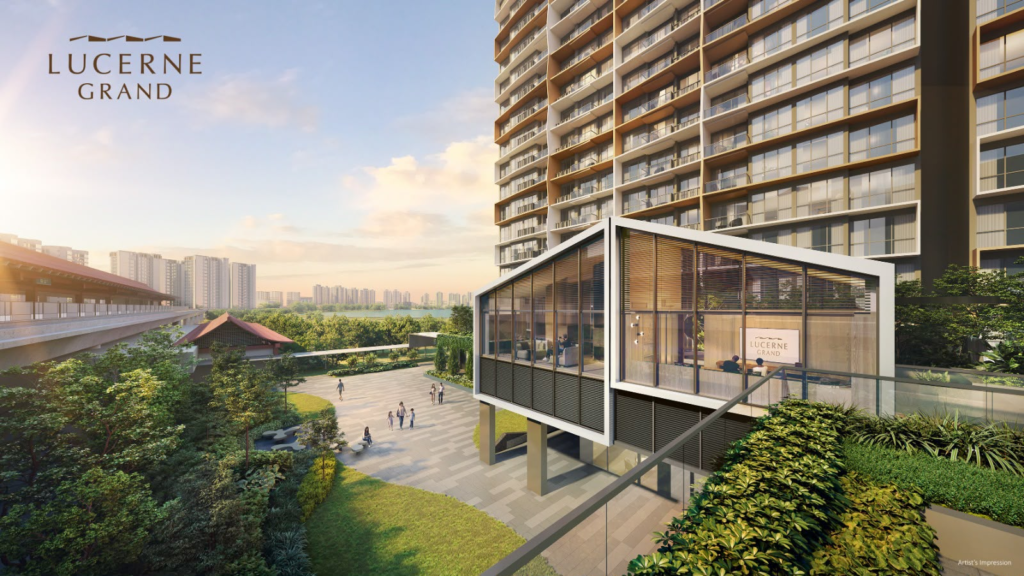
Natural ventilation keeps your home fresh and reduces moisture buildup, which prevents mold growth. Wind directions change depending on monsoon seasons, meaning your condo facing determines how much draft you receive throughout the year. In Southeast Asia, for example, wind mainly blows from the north-east between December and March, and from the south-west between June and September.
If you select a unit at Lucerne Grand that faces north or south, you will capture these seasonal cross-breezes effectively. East-west units, on the other hand, often miss out on these prevailing winds, resulting in stagnant air unless you open multiple doors to create a draft. Good ventilation is especially critical for kitchens and bathrooms, where humidity accumulates quickly. When touring properties, observe if the unit layout allows air to flow from the balcony through to the yard or entrance. A well-ventilated home at Lucerne Grand feels cooler, smells cleaner, and requires less mechanical cooling, creating a healthier living space for your family. To maximize this natural breeze, pay attention to the placement of internal walls. Open-concept layouts allow wind to travel deeper into the home, ensuring that even back bedrooms benefit from the airflow generated at the main balcony.
Balancing Views, Privacy, and Noise Levels
Your condo’s facing does not just affect temperature and breeze; it also dictates your daily visual and auditory experience. A unit that faces a beautiful internal facility, like a lush landscaped pool, offers a serene view but might come with daytime noise from playing children. On the flip side, outward-facing units might offer sweeping city skylines, but they could also face busy expressways or future construction sites.
Privacy is another factor that depends heavily on orientation. If your balcony faces a neighboring block directly, you might find yourself keeping your curtains drawn constantly, defeating the purpose of having large windows. When examining layouts, calculate the distance between your potential unit and the opposite block. Choosing a diagonal or angled facing can often give you the best of both worlds: good natural light and a view that does not look directly into someone else’s living room. Taking the time to study these spatial relationships ensures that your home remains a private sanctuary where you can relax without external disturbances. Additionally, check local zoning plans to ensure that empty plots opposite your unit are not slated for high-rise developments that could block your view in the future.
Conclusion
Selecting the right condo facing requires balancing several factors, from sunlight exposure and wind patterns to privacy and noise levels. While aesthetic features and interior design can be updated over time, you cannot change the physical orientation of your building. Taking the time to analyze compass directions, study site maps, and visit sites at different times of day will prevent future regrets. Whether you choose a unit at Thomson Reserve or another premium development, understanding how your home interacts with the environment ensures a comfortable, energy-efficient, and peaceful living experience. Use these simple tips during your next property search to make an informed decision that benefits your lifestyle.