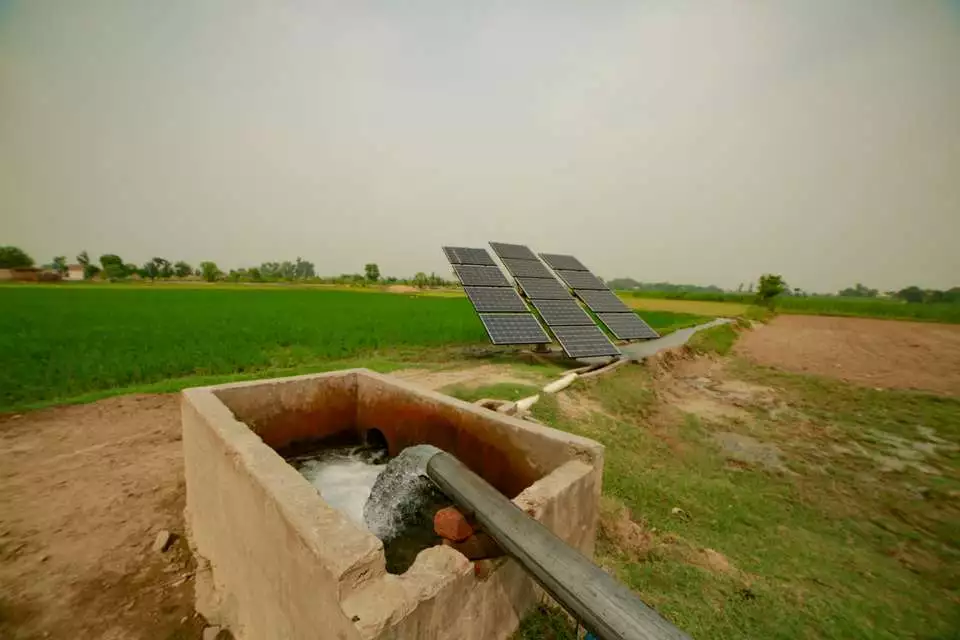
Rural solar power has become one of the most transformative shifts happening across regional Australia. For decades, people living outside major cities have dealt with unreliable grid connections, rising electricity costs and long wait times for infrastructure upgrades. Solar power has changed that landscape entirely. It’s giving rural households, farms and small communities the chance to generate their own energy, reduce their bills and become far less dependent on the grid.
What makes rural solar particularly interesting is that it’s not just about saving money. It’s about resilience. When storms hit, when power lines fail or when demand spikes, rural properties with solar and battery systems can keep operating while the rest of the area waits for repairs. Many people exploring renewable options start by looking at providers who understand regional conditions, such as those offering solar power in Shoalhaven, because rural installations come with unique challenges and opportunities.
As technology improves and costs continue to fall, rural solar power is becoming more accessible than ever.
Why rural areas are embracing solar power
Rural communities have always been resourceful. When you live far from major infrastructure, you learn to rely on what you can control. Solar power fits perfectly into that mindset.
There are a few key reasons why rural solar is booming:
Distance from the grid
Many rural properties are located far from substations, which means weaker connections and higher vulnerability to outages.
High electricity costs
Regional customers often pay more for electricity due to distribution costs.
Large roof and land space
Rural properties usually have more room for solar panels, making larger systems possible.
Agricultural needs
Farms use significant energy for pumps, machinery, refrigeration and irrigation.
Environmental benefits
Solar reduces reliance on diesel generators and cuts emissions.
For many rural households, solar isn’t just a nice addition—it’s a practical necessity.
How rural solar systems differ from urban setups
Solar systems in rural areas often need to work harder and smarter than those in the city. While the basic components are the same—panels, inverter, battery and wiring—the design considerations are different.
Rural systems often include:
Larger arrays
To power machinery, sheds and multiple buildings.
Batteries
To store energy for night‑time use or during outages.
Hybrid inverters
To manage both solar and generator inputs.
Off‑grid capability
Some rural homes aren’t connected to the grid at all.
Weather‑resistant mounting
Rural areas often face stronger winds and harsher conditions.
Because of these differences, rural solar installations require experienced installers who understand regional challenges.
The role of battery storage in rural solar power
Battery storage is one of the biggest game‑changers for rural solar. Without a battery, solar power is only available when the sun is shining. With a battery, rural households can store excess energy and use it whenever they need it.
Batteries help rural properties:
• Maintain power during blackouts
• Reduce reliance on diesel generators
• Avoid peak electricity rates
• Improve energy independence
• Run essential equipment overnight
For farms, this can mean keeping pumps running, protecting livestock and maintaining refrigeration even when the grid goes down.
Off‑grid solar systems for remote properties
Some rural homes are so far from the grid that connecting would cost tens of thousands of dollars. In these cases, off‑grid solar systems are often the most cost‑effective solution.
An off‑grid system typically includes:
• A large solar array
• A high‑capacity battery bank
• A backup generator
• A hybrid inverter
• Smart energy management
These systems are designed to run independently year‑round, even during long stretches of cloudy weather.
Solar for farms and agricultural operations
Agriculture is one of the biggest beneficiaries of rural solar power. Farms use energy for:
• Irrigation pumps
• Electric fencing
• Refrigeration
• Shearing sheds
• Workshops
• Water treatment
• Machinery charging
Solar can significantly reduce operating costs, especially for irrigation, which often runs during daylight hours when solar production is highest.
Some farms also use solar to power remote water pumps, eliminating the need for diesel or long power runs.
Community solar projects in rural Australia
In some regional areas, entire communities are investing in shared solar projects. These can include:
• Solar farms
• Community batteries
• Shared microgrids
• Local energy trading
These projects help stabilise local power supply and reduce costs for everyone involved. They also keep more money circulating within the community rather than flowing to large energy retailers.
Challenges of rural solar power
While rural solar has many benefits, it also comes with challenges:
Distance
Installers may need to travel long distances, increasing costs.
Weather
Dust, wind and extreme temperatures can affect performance.
Maintenance
Rural systems often require more regular checks.
Grid limitations
Some rural networks have export limits or voltage issues.
Despite these challenges, the long‑term benefits usually outweigh the difficulties.
Government incentives and rebates
Rural households can access the same federal solar incentives as city homes, including:
• Small‑scale Technology Certificates (STCs)
• Feed‑in tariffs
• State‑based rebates (depending on location)
Some regional councils also offer additional support for renewable energy projects.
How rural solar supports local economies
Solar installations create jobs for electricians, installers, maintenance workers and local suppliers. They also reduce the financial burden on rural families and businesses, freeing up money for other needs.
Interestingly, many rural business owners keep up with broader economic trends—some even follow Perth small business news to understand how regional and metro markets influence each other. Solar power is becoming part of that bigger economic picture, helping rural communities stay competitive and resilient.
Tips for choosing a rural solar installer
When selecting an installer, look for:
• Experience with rural or off‑grid systems
• Clear explanations of system design
• Strong warranties
• Good reviews from regional customers
• Ongoing support and maintenance options
A good installer will assess your property, energy usage and long‑term goals before recommending a system.
The future of rural solar power
Rural solar is only going to grow. As battery prices fall and technology improves, more households will move toward energy independence. Microgrids, community batteries and advanced monitoring systems will make rural energy more stable and affordable.
Solar will also play a major role in powering electric farm machinery, remote sensors and automated irrigation systems.
Final thoughts on rural solar power
Rural solar power is more than a trend—it’s a practical, reliable and cost‑effective solution for regional Australia. It gives households and farms control over their energy, reduces costs and strengthens resilience during outages. With the right system and proper support, rural solar can transform the way communities live and work.