
Finding the perfect condominium requires balancing your lifestyle aspirations with your actual financial boundaries. Whether you are looking at premium developments like the Thomson Reserve or scanning more modest suburban options, setting a clear budget prevents future financial strain. Shortlisting properties involves more than just looking at the sticker price; it requires a deep dive into hidden fees, loan eligibility, and long-term maintenance costs. By establishing a systematic selection process, you can filter out unrealistic options early and focus your energy on properties that match your financial reality. Let us examine the practical steps to shortlist condominiums that align perfectly with your budget.
Establish Your Real Financial Baseline
Before you open any property portal, you must calculate your exact purchasing power. Many buyers make the mistake of looking only at the purchase price, ignoring transaction costs that can add up to 5% to 10% of the property value. Your baseline budget must include the cash downpayment, bank loan eligibility, and government taxes. For instance, you need to factor in Buyer’s Stamp Duty (BSD) and potentially Additional Buyer’s Stamp Duty (ABSD) depending on your residency status and property portfolio. Additionally, secure an In-Principle Approval (IPA) from a bank. This document tells you exactly how much a financial institution will lend you based on your income and outstanding debts. Knowing this number prevents you from falling in love with homes you cannot afford. If you are eyeing premium units, checking the pricing on the official Lucerne Grand website can give you a solid benchmark of what high-end developments cost per square foot. Use these real-world figures to establish a strict upper limit for your search. Do not forget to set aside cash reserves for legal fees, mortgage valuation fees, and home insurance. Once you have this hard ceiling, you can confidently filter out properties that exceed your budget, saving you hours of wasted viewings and emotional disappointment.
Analyze Location and District Premiums
Location remains the primary driver of real estate pricing. Condominiums located in central districts or near major transportation hubs command a significant premium. To keep your shortlist within budget, you must decide what trade-offs you are willing to make regarding geography. If you require a central location, you may need to compromise on unit size. Conversely, moving further from the city center allows your budget to stretch, securing a larger layout or better amenities. For example, properties like the Thomson Reserve offer a compelling balance of suburban tranquility and excellent connectivity, making them highly sought after by middle-income buyers. When evaluating locations, map out your daily commute and proximity to essential services like schools, supermarkets, and healthcare facilities. A cheaper condo located far from your workplace might end up costing you more in commuting time and transportation expenses over the years. Look for upcoming regional centers or areas undergoing urban renewal, as these neighborhoods often offer entry-level prices with strong potential for capital appreciation. Analyze the historical price trends in these districts using public transaction databases to ensure you are not buying at an artificial peak. By identifying two or three target districts that fit your financial profile, you can streamline your search and avoid getting distracted by overpriced properties in hyped-up neighborhoods.
Compare New Launches Versus Resale Units
Choosing between a new launch and a resale condominium significantly impacts your cash flow and budget timeline. New launches often feature progressive payment schemes, allowing you to pay in stages as construction progresses. This can ease your immediate financial burden, though you must secure alternative housing while waiting for completion. To understand the pricing structure of new launches, studying the official Lucerne Grand website provides valuable insights into how developers price different unit types during launch phases. On the other hand, resale condos require a full payout upon completion, but they allow you to move in immediately or rent the property out to generate instant income. Furthermore, older resale properties often provide larger living spaces for the same price point, though they may require substantial renovation budgets. You must factor these renovation costs directly into your purchasing budget, as older units frequently need plumbing, electrical, and aesthetic upgrades. Compare the maintenance fees of both options as well; older developments with fewer units often have higher monthly maintenance costs than massive new developments with shared expenses. Weighing these factors helps you decide which property type aligns with your immediate cash reserves and long-term financial plans. Make sure to request a copy of the past maintenance records if you choose the resale route to avoid unexpected special levies for major building repairs.
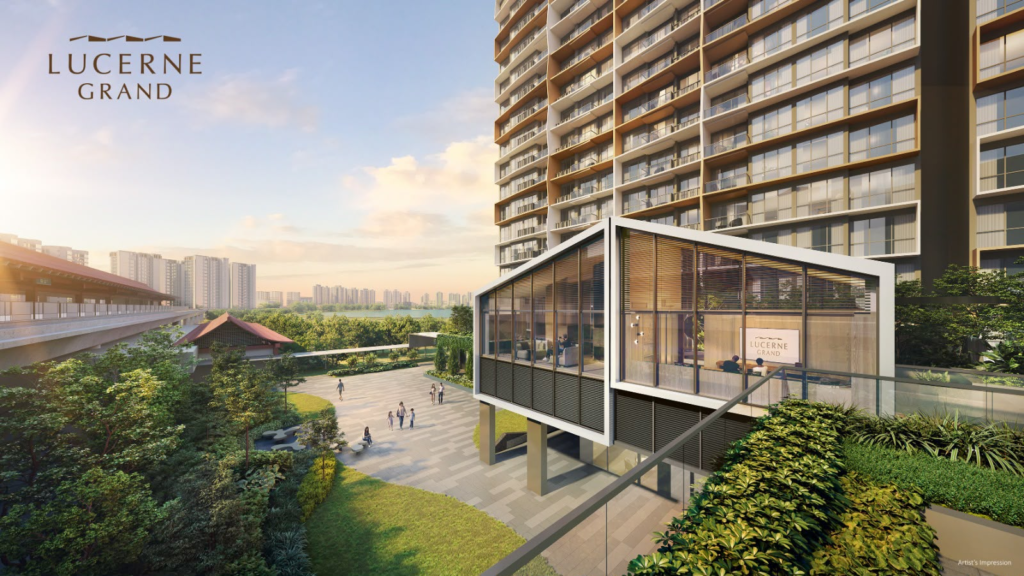
Evaluate Size, Layout, and Hidden CostsOnce you narrow down the location and property type, you must evaluate the specific layout and size of the units. A larger square footage naturally increases the purchase price, but layout efficiency is what truly determines liveability. A compact, well-designed two-bedroom unit can sometimes feel more spacious and functional than an poorly designed three-bedroom unit with wasted corridor space. When viewing floor plans, look for dumbbell layouts that minimize hallway space and maximize usable living areas. Additionally, consider how your space requirements might change over the next five to ten years. If you plan to start a family, a development like Thomson Reserve offers versatile family-friendly layouts that prevent the need for an expensive upgrade in the near future. Beyond the purchase price, look closely at the monthly maintenance fund contributions. High-end developments with private lifts and extensive concierge services charge premium maintenance fees that can strain your monthly budget. Ensure your monthly income can comfortably cover both your mortgage payments and these recurring maintenance charges without compromising your lifestyle or savings goals. Always ask the agent for a breakdown of the sinking fund and managing agent fees before making an offer on any unit. By focusing on layout efficiency and recurring costs, you ensure your chosen home remains affordable over the long haul.
Conclusion
Shortlisting a condominium within your budget requires a systematic approach that balances your financial limits with your lifestyle needs. By establishing a realistic financial baseline, analyzing location premiums, and comparing new launches with resale options, you can narrow down your choices effectively. Remember to look past the initial purchase price and account for hidden expenses like maintenance fees, taxes, and renovation costs. Whether you decide to invest in a premium development or a cozy suburban layout, staying disciplined during the shortlisting phase protects your financial health. Take your time, analyze the data, and make an informed decision that secures both a comfortable home and a stable financial future.