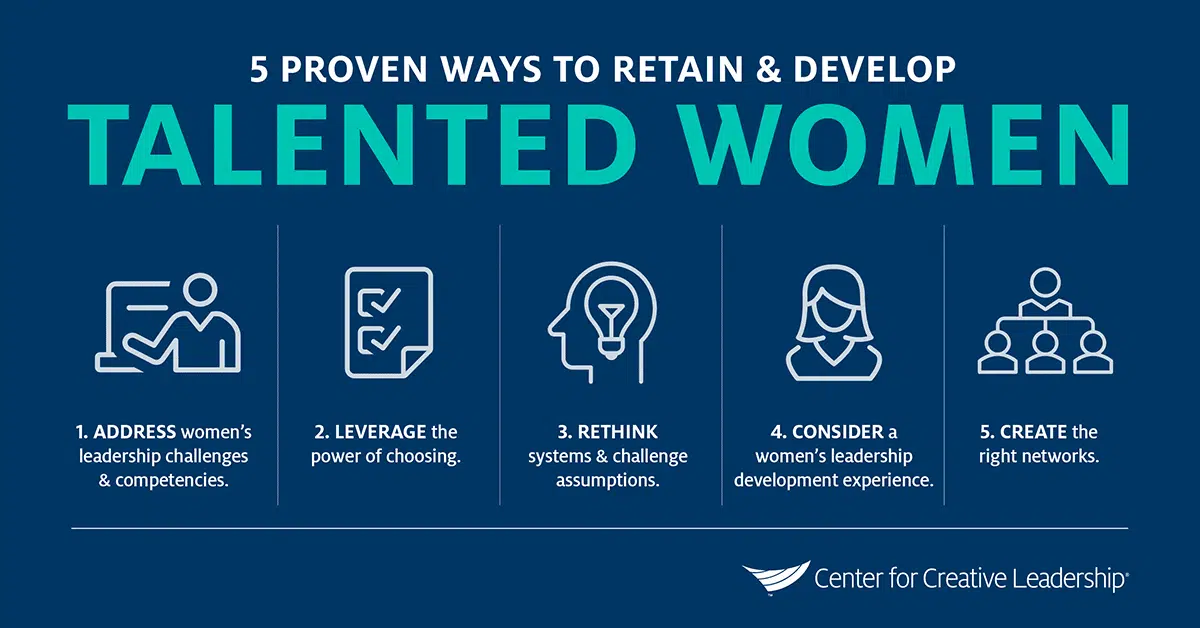
Women in Australia are achieving at the highest levels across every sector and profession, yet significant barriers to advancement still exist in many workplaces. Understanding these barriers, building the capabilities that support sustained career growth, and accessing the right networks and development opportunities are all key to navigating a career that is both fulfilling and appropriately recognised.
Building confidence and professional presence
Confidence is one of the most frequently cited barriers to career advancement for women, and research consistently shows that it operates differently for women than for men. Building genuine confidence requires accumulated evidence of competence, supportive professional relationships, and a willingness to stretch beyond comfort zones in a measured way. It is built through experience, not acquired through willpower alone.
Structured development programmes specifically designed to support women’s advancement provide a combination of skills, frameworks, and peer connection that is difficult to replicate through informal development alone. Participating in women in leadership workshops offers women the opportunity to develop their leadership capabilities in a psychologically safe environment, build relationships with peers facing similar challenges, and access expert guidance on navigating the specific dynamics that shape career trajectories for women in Australian organisations.
Communication and influencing skills are central to professional advancement at every level. The ability to articulate your ideas clearly, advocate for yourself and others, and navigate difficult conversations with confidence and skill makes a substantial difference to how you are perceived and what opportunities come your way. Investing in these capabilities pays dividends throughout an entire career.
Navigating organisational dynamics
Understanding how organisations actually work — the informal hierarchies, the decision-making processes, and the unwritten rules that govern advancement — is a form of intelligence that significantly affects career outcomes. Developing this understanding requires curiosity, observation, and the courage to ask questions of people who have navigated similar environments successfully.
Sponsorship is distinct from mentorship and is particularly powerful for women’s advancement. A sponsor is a senior person who actively advocates for you, puts your name forward for opportunities, and uses their credibility to open doors. Building relationships with potential sponsors requires visibility, delivering strong results, and demonstrating the kind of potential that motivates others to invest in your career.
Negotiation is a skill that affects career outcomes at every stage, from the initial salary offer through to discussions about scope, recognition, and promotion. Many women find negotiation uncomfortable, particularly when it involves advocating directly for themselves. Learning to negotiate effectively — framing requests in ways that align with organisational goals — is one of the highest-return professional investments you can make.
Building your network strategically
Professional networks are among the most important determinants of career success. The connections you build over time provide access to opportunities, information, support, and perspective that are simply not available without them. Approaching networking as a long-term investment in genuine relationships, rather than a transactional activity, produces connections that are both more rewarding and more durable.
Seeking out communities of women in similar fields or at similar career stages creates a valuable form of peer support. These networks provide practical knowledge, emotional solidarity, and access to opportunities that come from within a community that understands your specific experience. Professional women’s networks exist across virtually every industry in Australia and are worth actively engaging with.
Celebrating milestones with your professional community matters. Whether it is acknowledging a promotion, marking the completion of a major project, or hosting a networking event, the moments when achievements are recognised build culture and strengthen relationships. Adding creative, memorable touches to professional celebrations — like a beautifully designed candy buffet in Perth spread for a team event — helps create the kind of warm, memorable occasions that bring people together and reinforce a sense of shared purpose and joy.
Taking ownership of your development
Career development is ultimately your responsibility. Waiting for an organisation to identify and invest in your potential is a passive strategy that rarely produces the outcomes you want. Taking an active approach — seeking out learning opportunities, volunteering for stretch assignments, requesting feedback, and pursuing coaching or mentoring — places you in a fundamentally stronger position.
Having a clear sense of your own values, strengths, and goals is essential to making good career decisions. Clarity about what kind of work energises you, what kind of environment you thrive in, and what long-term vision you are working toward helps you evaluate opportunities with greater discernment. Career development that is aligned with your authentic self produces both better outcomes and greater satisfaction.
Work and life integration is a real and ongoing challenge, particularly for women who continue to carry a disproportionate share of domestic and caring responsibilities. Building a career on your own terms requires honest conversations with partners, employers, and yourself about what is genuinely sustainable and what matters most. There is no single right answer, only the one that fits your circumstances and values.
The most successful career journeys for women are those characterised by clarity of purpose, strategic investment in capability and relationships, a willingness to advocate for themselves, and the courage to pursue opportunities even when conditions are imperfect. With the right development, the right support structures, and a strong sense of self, women in Australia have the capacity to reach the very highest levels of any profession.